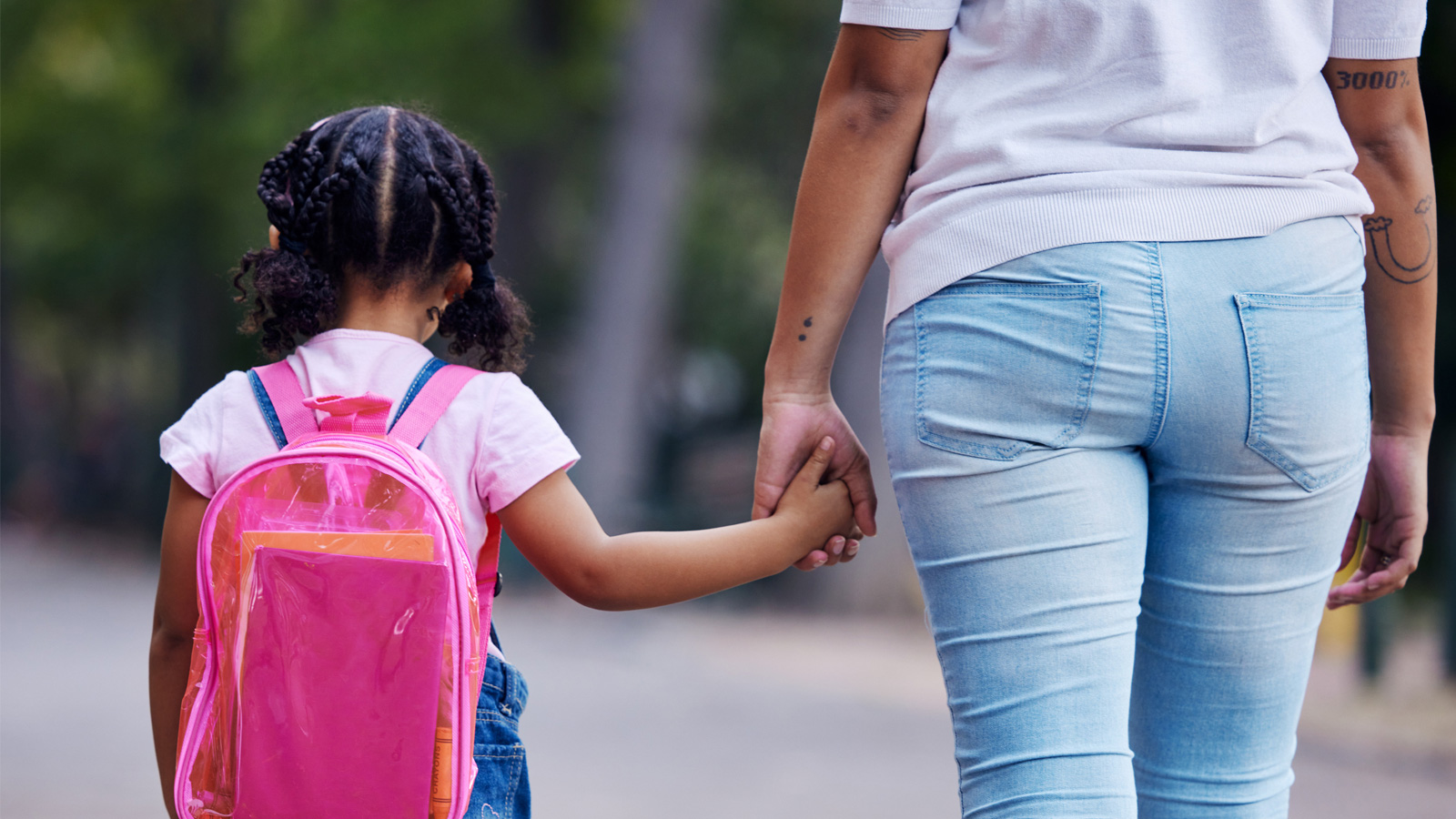

The Rush to “Big School” There is often a panic that sets in when our kids get closer to Grade 1. We feel the pressure to pack away the toys and focus on “real work.” But at Raising Awesome, we believe that play isn’t a break from learning—it is the learning.
Why We Selected This Research We have been looking at global studies on school readiness, and this piece from Kate Noble at Victoria University (Australia) stood out to us.
While the school terms she mentions might be different, the child psychology is exactly the same as what we see here in South Africa. She highlights something crucial: that the “play-based” approach of preschool shouldn’t vanish the moment a child puts on a school uniform.
We’ll let Kate explain the science below.
- The “Spectrum” of Play: It’s not just chaos; it’s how kids build memory and language.
- Transition Helper: Keeping play alive makes the shift to formal schooling less scary.
- Emotional Regulation: Unstructured play is the best way for kids to process the stress of a new environment.
Kate Noble, Victoria University
The transition from preschool to school is a big deal for many children and parents. Each year, many preschoolers will take part in a transition program, designed by their teachers, to prepare them for school.
They’ll meet their foundation teachers, spend some time in a classroom and hopefully make some new friends.
These children’s education has so far focused on play-based learning. This means they’ve learnt through exploring and playing, supported by skilled early childhood educators.
But they’re about to enter a world of formal learning. Although play-based learning does happen in schools, there tends to be a stronger focus on instruction.
The current system isn’t working for many students. One-quarter of children who start school aren’t developmentally ready for this transition and levels of mental ill-health among children are concerning.
Many educators and researchers argue more play in the early years of school could better support children’s transition and learning. Parents think so too. In a recent survey, 93% of parents acknowledge the benefits of play and 72% said the first years of school should focus more on play-based learning.
If we’re genuinely committed to improving outcomes for all children – and we know play benefits learning – we need to better integrate play-based learning into schools’ formal learning structures.
How do we learn through play?
Increasing play-based learning in schools means changing how we think about playing. When many of us think about play, we probably think of free play, which is unstructured and directed by children, usually without adult involvement.
Play-based learning, though, is more usefully conceived as a spectrum, with free play at one end and teacher-guided, playful learning at the other. In between are a variety of methods either entirely based on play, or incorporating elements of it.
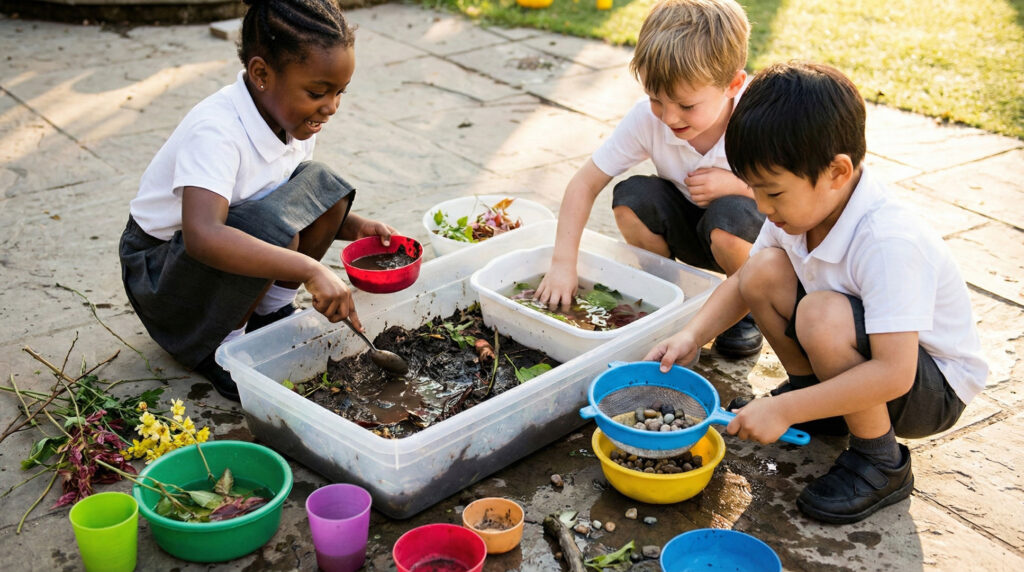
For example, a skilled educator can help children discover new ideas when they play with water. The educator might encourage children to playfully experiment with water tubs and toys in a way that allows them to develop their own hypotheses about how water behaves in certain situations and why.
The educator could work with the children to test their hypotheses, questioning and talking to them about what they observe during their play.
Play-based learning in the early years of school can significantly improve kids’ language and social connections. Research shows the impact of play-based learning extends into other areas of development too.
High-quality play-based learning can:
- strengthen neural pathways associated with learning
- enhance well-being
- improve memory and organisational abilities
- teach children self-regulation and problem-solving skills
- encourage creativity and critical thinking.
Quality depends on warm and responsive relationships with skilled educators and an environment that facilitates exploration and learning. It also involves a developmentally appropriate learning program.
The skills children learn through play equip them to engage with formal, academic learning. When children start to develop and harness these skills, research shows they’re better able to cope with the demands of formal learning and thrive later on in school.
And when more than 70% of children don’t get the recommended amount of physical activity, play is even more essential.
Many researchers and educators believe less play – inside and outside the classroom – may be contributing to rising levels of anxiety, depression, and challenges related to attention and self-control. For children experiencing high levels of stress or other forms of disadvantage, play can be a vital antidote.
The links between disadvantage, poor health, changing lifestyles, and inequality are, of course, complex. But there is good evidence to suggest how we approach education in the early years – particularly in relation to play – is an important part of how we address these challenges.
Kate Noble, Education Policy Fellow, Mitchell Institute, Victoria University
This article is republished from The Conversation under a Creative Commons license. Read the original article.